

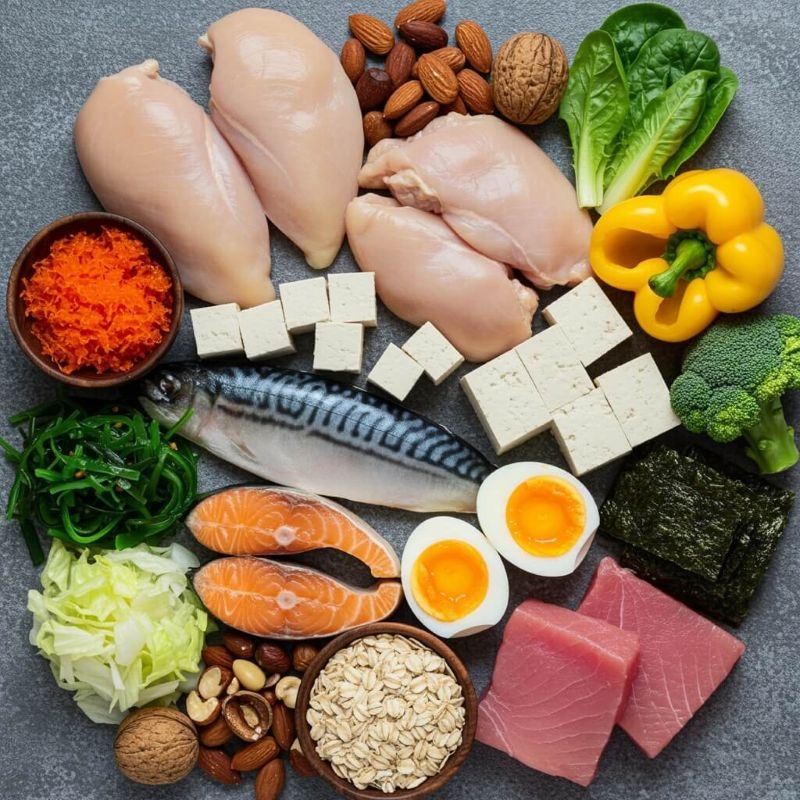
Protein benefits are often discussed, but what this really means is simple support for the body in many small ways. When people eat more protein from protein-rich foods, the body feels fuller, firmer, and more balanced. A high-protein diet helps with daily protein intake, supports muscle growth, and even enhances basic functions like focus and recovery. Here’s the thing: protein is not only for gym lovers, but it is also for everyone who eats food daily.
Protein is one of the main building blocks of life. It helps repair cells, build muscle, and keep systems running right. Without enough protein, the body struggles, energy levels drop, and muscles feel weak. Let’s break it down in a clear way that actually makes sense.
Protein is made of amino acids. These are tiny units that help build skin, hair, muscles, and organs. Some amino acids come from food only, so daily protein intake matters more than people think.
Protein benefits appear gradually, not overnight. Over time, consuming enough protein helps the body stay strong and heal more quickly.
Key reasons protein matters
A high-protein diet does not mean extreme eating. It means consuming balanced meals with a variety of protein recipes throughout the day. Eating more protein does not always require special powders or shakes.
One of the lesser-discussed protein benefits is steady energy. Protein digests more slowly than carbs, which helps avoid sudden hunger. People who eat more protein often feel full longer, which supports better food choices.
Protein-rich foods help control appetite.
A daily protein intake also helps keep blood sugar levels more stable. This matters for focus and mood. When meals include protein, energy feels smoother, not jumpy.
A high-protein diet can be beneficial for individuals seeking to manage their weight. Not because protein is magic, but because it supports feelings of fullness and reduces the likelihood of overeating.
Protein for muscle growth is one of the most well-known benefits. Muscles break down during even light activity, such as walking. Protein helps rebuild them stronger.
Protein benefits for muscles include
Eating more protein helps muscles respond better to movement. This is important not only for athletes but also for older adults. Muscle loss occurs with age, but a proper daily protein intake can help slow it down.
A high-protein diet paired with regular physical activity yields the best results. Muscles require both physical activity and protein to grow or remain strong.
Daily protein intake varies depending on age, body size, and level of physical activity. There is no one number for everyone. Still, many people consume less protein than they need.
Signs protein intake may be low.
Protein benefits increase when intake is spread throughout the day. Breakfast, lunch, and dinner should all include some protein-rich foods. Eating more protein in one meal does not fully make up for missing it earlier.
A high-protein diet does not mean cutting out other foods. Carbs and fats still matter. Balance is the key here.
Protein-rich foods come from both animal and plant sources. Variety helps get different amino acids and nutrients.
Common protein-rich foods
Eating more protein becomes easier when meals are planned simply. Adding eggs to breakfast or beans to lunch can raise daily protein intake without stress.
Protein benefits are more substantial when food sources are natural and minimally processed. Whole foods offer more than protein alone.
A high-protein diet gently supports metabolism. Protein requires more energy to digest than fats or carbohydrates. This is called the thermic effect.
Benefits linked to metabolism
Protein benefits are not about fast results. They work slowly and steadily. Eating more protein supports muscle growth, and muscle helps metabolism function more efficiently.
Daily protein intake also helps reduce muscle loss during weight changes. This helps keep the body stronger, even when consuming less overall food.
Protein is often associated only with muscles, but bones also require protein. Bones are composed of a combination of minerals and protein.
Protein benefits for bones include
Protein-rich foods, combined with minerals, support joint strength. This is important for kids growing and adults aging.
A high-protein diet should still include sufficient calcium and vitamin D. Balance again plays a crucial role here.
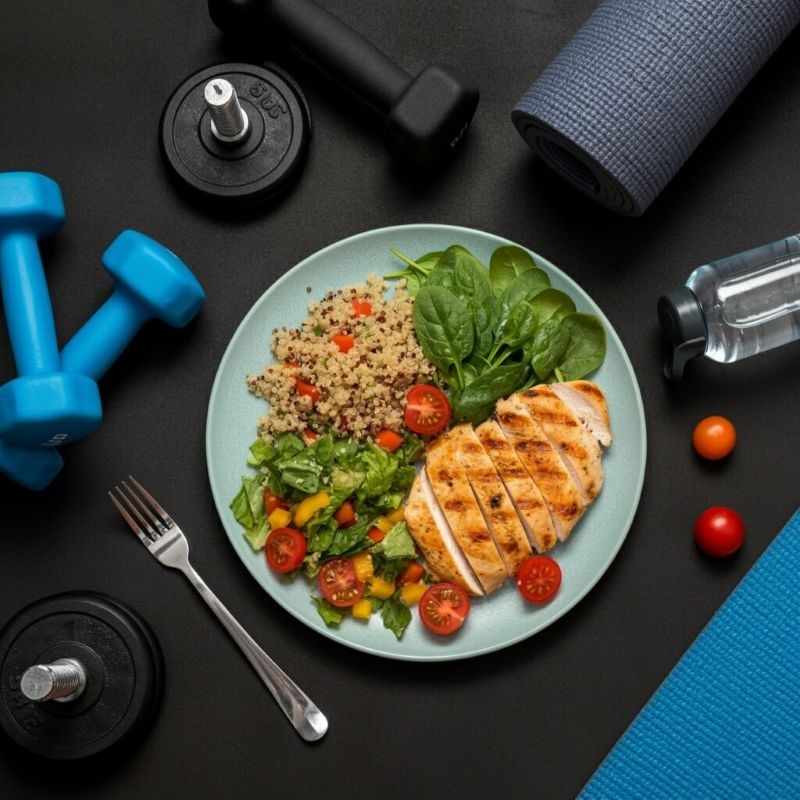
Eating more protein does not require strict rules. Small changes work best.
Simple ways to eat more protein
Protein benefits come from consistency, not perfection. Daily protein intake should feel natural, not forced.
Protein for muscle growth and repair works best when consumed regularly. Skipping meals makes it harder for the body to use protein well.
Protein supports immune function and healing. After illness or injury, protein needs increase slightly. The body uses protein to rebuild tissues.
Benefits for recovery include
Protein-rich foods provide the amino acids necessary for the production of antibodies and enzymes. A high-protein diet during recovery can support the return of strength.
Eating more protein when sick may help prevent muscle loss during rest periods.
Check out This Article: The Best Protein Shakers for Smoothies & Supplements
Some people believe that a high-protein diet is detrimental to health. This is often misunderstood.
Clarifying common myths
Protein benefits depend on balance. Plant and animal protein both matter. Daily protein intake should align with individual lifestyle needs.
Protein benefits support strength, energy, and healing across all ages. Eating more protein from protein-rich foods helps maintain steady daily protein intake and supports protein for muscle growth. A balanced high-protein diet builds health slowly and safely.
Protein benefits include muscle repair, steady energy, fullness, and support for bones and immunity when consumed regularly.
Eating more protein slows down digestion, which helps people feel full for longer and reduces the frequency of snacking.
A high-protein diet is generally safe for most healthy individuals when balanced with other essential nutrients and whole foods.
Eggs, beans, dairy products, nuts, and lentils are protein-rich foods that can easily support a diet.
This content was created by AI